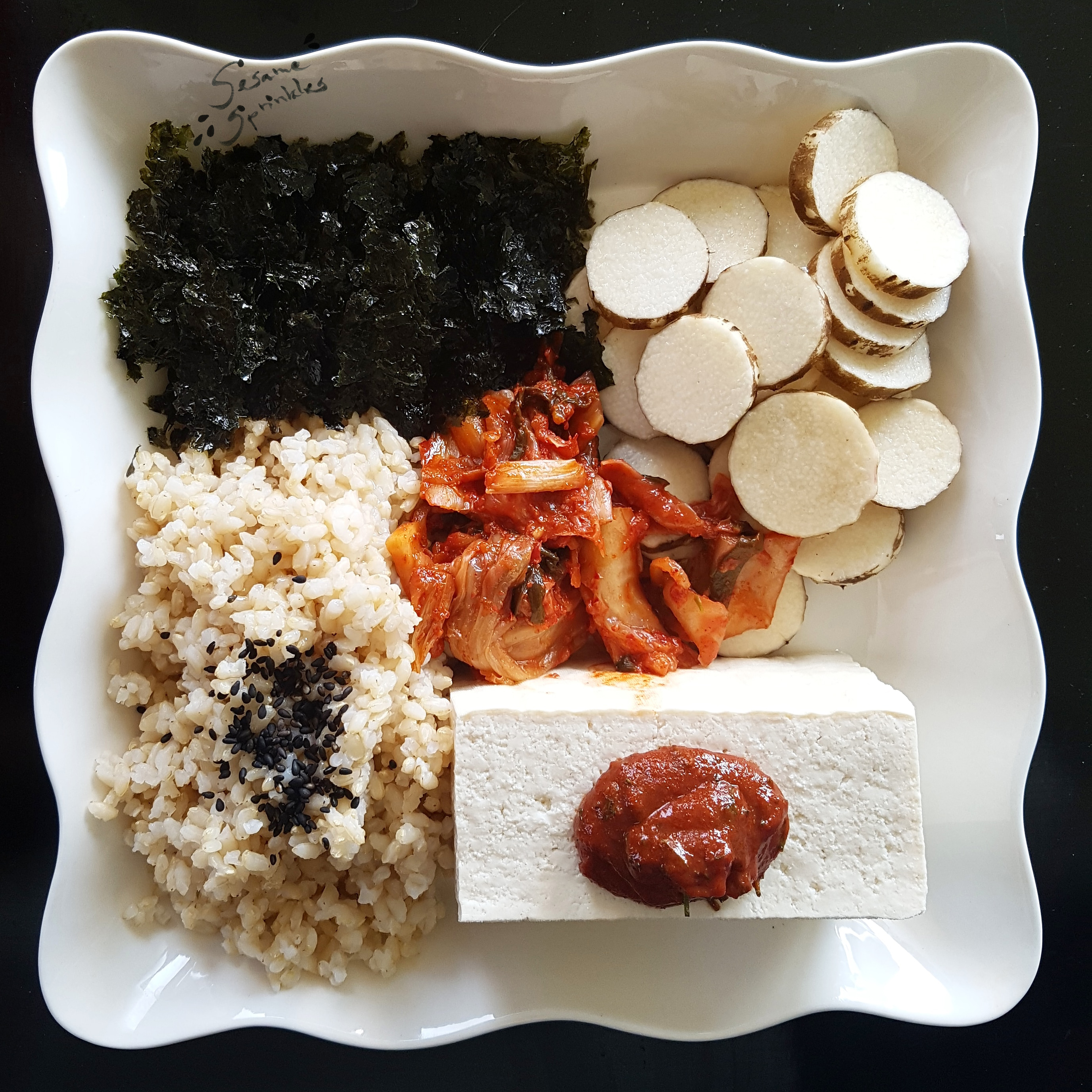
When doing grocery shopping in Korea, did you ever wonder why the "names" for food on the price tag are sometimes rather long? 🤔 You may also notice that some names deviate from what's on these lists: Korean names for vegetables, fruits, nuts, seaweed, mushrooms, cereals and beans. If you find that confusing, you can... Continue Reading →
Comparison of common citrus fruits in Korea 감귤류
Despite the cold of winter, South Korean markets constantly offer edibles. Apart from beans, grains and other dry foods, there is also some fresh produce. The cold temperatures allow the harvest of seafood and seaweed, which would easily spoil in the summer. Winter vegetables such as spinach, cabbage and root vegetables (e.g. radish, sweet potatoes,... Continue Reading →
The many faces of Korean Persimmons 감
No. This is not a tomato. 🍅 No. It's not advisable to use this fruit for classic pasta sauce. 🍝[But go ahead and try if you feel adventurous.]* Even though this fruit has a spherical shape and smooth, shiny skin with deep orange color, it has little kinship with tomatoes. 🚫🍅 It is the fruit... Continue Reading →
Guide to reading Korean letters – Hangeul 한글
So you want to learn Korean? But you don't know where to start? How about starting with the basics: Learn the Korean alphabet, which is called hangeul (한글). In 2020, there was a daily online class about the Korean alphabet on Instagram (part 1, part 2 and part 3). Since it was quite popular, I... Continue Reading →
Smelly golden balls with gems inside: Ginkgo 은행씨
[⚠️Warning: Graphic language may be included in the text below. Not advised to read when eating or sensitive to unappetizing descriptions. 🤬😱🤢] I have a confession to make. Years ago, I went on a treasure hunt. 🗺 In Germany. The treasure were small, yellow gems. 💎 Those gemstones were enclosed in little pearls. ⚪️ And... Continue Reading →
Learning Korean: Update on language-related posts
It can't be stressed often enough how important language is. In general and in particular. If you are concerned about food, for instance, knowing at least how to read Korean makes you more independent from electronic, internet-based devices (e.g. unreliable translation apps, asking friends or random people on Facebook for help). At the same time,... Continue Reading →
Essential seasonings and spices in Korean
What makes food taste good? Beside quality and handling of the main ingredients, seasonings and spices are key to making food more flavorful. In general, they can increase the taste 👅, add new aromas 👃 and also change the visual appearance of the dish. 👀 If food is not seasoned well, it is considered "bland"... Continue Reading →
Compilation of mushrooms and seaweed in Korean
By now, we have touched upon the vast diversity of plant-based foods like vegetables, fruit, grains and nuts. 🗒🌱 You may have learned enough Korean to identify the most common animal-based ingredients as well. 🗒🐮 So what's left? Well, a LOT! 😉 For example, there are hundreds of fungi and many kinds of seaweed (aka... Continue Reading →
What you need to know about seaweed in Korea 해조류
Do you love the smell of the sea? 🌊 Or do you dislike that "fishy" smell? 🐟 Any thoughts on seaweed? 🌿 Nori seaweed (gim 김) and other marine organisms on a rock exposed during low tide. Bogil Island (보길도), 2018. Seaweed.... 🤔 Funny name to begin with, right?! Another name for it is algae,... Continue Reading →
The most extensive list of vegetables in Korean
You may know already how to read and spell animal-based ingredients in Korean, so how about studying plant-based foods now? Here's essential Korean vocabulary regarding vegetables! 👇 [Don't like veggies?! 😱 IMPOSSIBLE! But how about fruits? Or cereals, beans, mushrooms, seaweed, nuts or seasonings?] Btw, if you don't know how to read Korean yet, here's... Continue Reading →
